A Long Flight Survival Guide
A Long Flight Survival run is about extending the next leg, not reaching a confirmed final destination. Keep the plane moving by planning a repeatable loop: fly to a safe resupply point, land gently, clear the Zombies, collect Kerosene and player supplies, repair the aircraft if necessary, and leave before the stop becomes dangerous. Use the fuel guide for the reserve-fuel decisions inside this loop.
The core survival loop
Use this order whenever you approach a building or Gas Station:
- Choose the next stop before fuel becomes critical. If the tank is running low, change course toward the nearest known supply location instead of continuing into empty desert.
- Land gently and shut down the engine. A hard landing or collision can detach wings, doors, and other aircraft parts, turning a routine stop into a repair problem.
- Clear the landing area. Zombies can guard buildings and Gas Stations, and they can return after an undocumented interval. Do not linger after the area is safe.
- Loot for the next leg. Take Kerosene first, then fill gaps in Water, Food or Pilot Rations, Medicine, tools, and replacement parts.
- Load the Cargo Room. Keep a reserve rather than filling the plane with only one kind of supply. Cargo space can be created on some aircraft by removing unnecessary seats or doors, but the available space depends on the aircraft.
- Check the aircraft and meters before departure. Repair detached parts, drink known-safe Water, eat when Hunger is low, and leave while the route and weather are still manageable.
This loop is more reliable than treating every building as a complete reset. A stop is successful when it improves your fuel margin and fixes the lowest survival need without exposing you to unnecessary ground time.
What to collect at each stop
| Resource or threat | Role | Survival decision |
|---|---|---|
| Kerosene | Aircraft fuel | Take it first when the tank or next-leg reserve is low; pour it into the fuel tank before takeoff. |
| Water | Thirst supply | Carry known-safe water and drink it when Thirst is the lowest need. Avoid unknown liquids. |
| Food / Pilot Rations | Hunger supply | Take food when Hunger is low, especially before committing to a longer flight. |
| Medicine | Recovery supply | Keep it available when found; the evidence does not establish a universal healing amount. |
| Repair tools and parts | Aircraft recovery | Use them to restore a damaged plane or support a replacement aircraft when the original cannot continue. |
| Flashlight | Night visibility | Carry one for dark ground searches and repairs outside the aircraft. |
| Zombies | Ground threat | Clear them quickly, loot the essentials, and leave before a respawn or weather change extends the stop. |
The rows separate supplies that extend the flight from threats that make collecting them risky. They are not a guaranteed inventory for every location: Gas Stations are the strongest resupply target, but the exact combination of Water, Food, Medicine, and tools can vary.
Gas Station route planning
Gas Stations are the best anchor for a long-flight route because they provide Kerosene and may also contain Water, Food, Medicine, and repair tools. Approach with enough control to land without striking the building or nearby terrain. Mark them using the map landmarks guide before the tank becomes critical. After landing, keep the engine off while you clear the Zombies and search.
Search a location and refuel for the next flight
These moments support the gas-station survival loop by showing a dangerous search for supplies and identifying Kerosene as aircraft fuel.

Prioritize the stop according to the state of the run:
- Low fuel: secure Kerosene before optional loot. Keep enough for the next leg rather than spending the entire supply immediately.
- Low Thirst or Hunger: take the matching known-safe supply before exploring deeper into the area.
- Aircraft damage: collect parts or tools only after the immediate threat is handled, then check the plane before loading everything.
- Night arrival: use the Flashlight and shorten the search. Darkness makes both looting and repairs harder to manage safely.
Zombies at a searched location can return, but the respawn interval is not documented. Treat the location as temporarily safe rather than permanently cleared.
Keep the aircraft airworthy
A detached part does not always end the run. After a collision or hard landing, pick up the affected wing, door, or other part and place it at the matching blueprint position. When the placement turns green, press F to install it. Perform this repair only when the area is sufficiently clear; an interrupted repair can leave you exposed on the ground.
If the original aircraft cannot continue, look for a complete replacement aircraft nearby. The locations and frequency of replacement aircraft are not established, so this is an emergency option rather than a route you can reliably schedule. If you find one, transfer fuel and essential supplies before leaving and remove unnecessary seats or doors only when the resulting cargo space is useful.
Weather and flight hazards
Not every failure has a confirmed recovery. Use these rules to avoid turning an uncertain mechanic into a wasted stop:
- Lightning: recorded cases show engine failure and power loss after a strike. Restarting the engine, reinstalling the engine, or changing the battery is not a confirmed reliable fix, so prepare for a forced landing or replacement aircraft instead of assuming the first restart will work.
- Tornado: a tornado may carry away or destroy the aircraft and end the current journey. Its trigger, damage range, and dependable countermeasure are not documented; reduce time spent exposed in severe weather and do not wait for an unverified repair trick.
- Birds: collisions are a flight risk, but an observed collision did not necessarily end the flight. Check the aircraft after landing rather than abandoning the run automatically.
- Dark weather and night: storms and darkness reduce visibility. Use roads and the radar to maintain orientation in the air, then use a Flashlight on the ground.
- Collision and hard landing: approach supply points slowly and leave room to recover. Detached parts are repairable in some cases, but prevention costs less time and health than a ground repair under pressure.
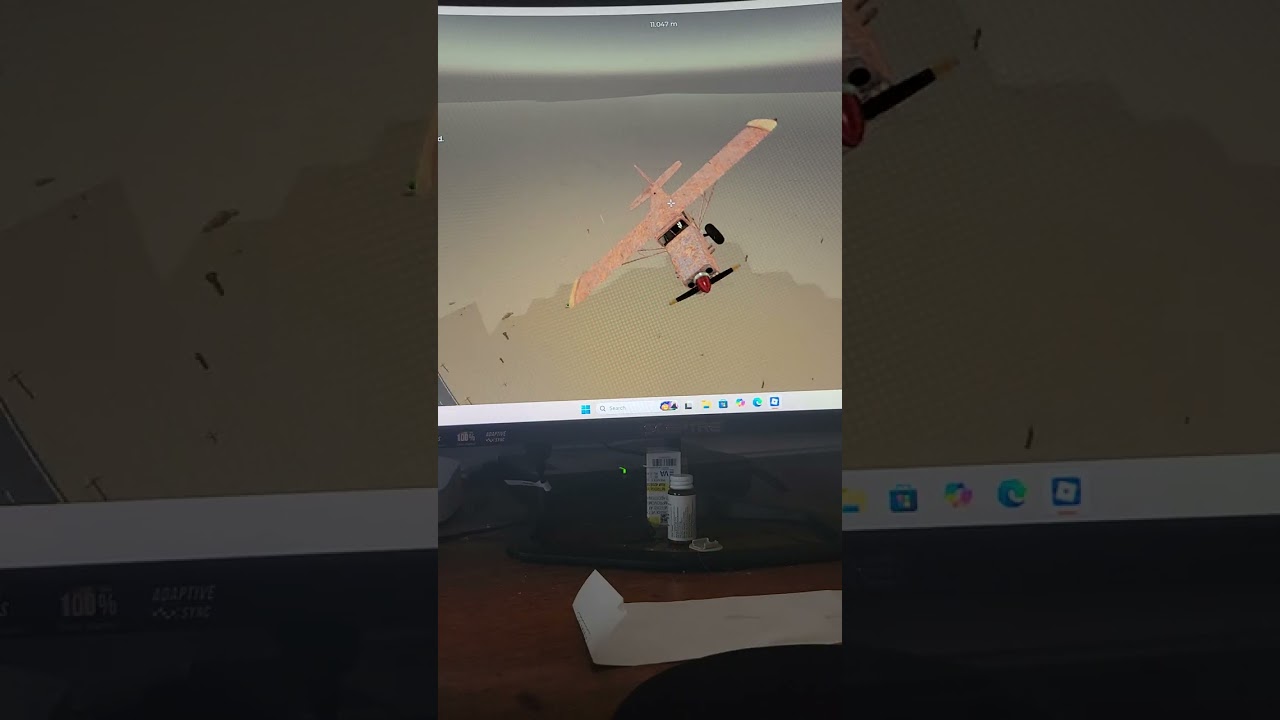
Approach a resupply stop and recognize lightning damage
The linked moment supports route planning around a motel and Gas Station, fuel checks, and the documented risk of lightning damage and power loss.
Manage the pilot’s meters
Check Health, Hunger, Thirst, and Stamina before every departure and after every ground stop. Use the lowest meter to set your loot priority rather than collecting supplies in a fixed order. A pilot with enough fuel but no Water still cannot safely commit to a long next leg.
A practical departure check is:
- Fuel for the next destination plus a reserve Kerosene supply.
- Water and Food or Pilot Rations for the weakest meter.
- A clear route and a landing option if the weather worsens.
- Attached wings, doors, and other essential aircraft parts.
- Cargo Room arranged so the next stop does not require abandoning a needed resource.
The evidence does not document exact consumption rates, respawn timers, or a universal safe distance from weather hazards. Plan around the visible meters and the next known supply opportunity instead of relying on a precise timer or fuel calculation that has not been established.
When a run starts to fail
If the plane is low on fuel, change course toward a Gas Station before the tank is empty. If Zombies make the stop unsafe, take only the essential Kerosene and survival supplies, then return to the aircraft. If a part detaches, repair it at the blueprint position only after creating enough space to work.
For lightning engine failure, test the immediate restart only as a quick check; do not spend the whole run assuming a battery swap or engine reinstallation will restore it. For a tornado that carries the plane away, the current journey may already be over. Search for a replacement aircraft only when the surrounding area is safe and the option is actually present.
FAQ
Is there a fixed ending in A Long Flight Survival?
No fixed ending is confirmed. The objective is to keep the aircraft and pilot alive and extend the flight through repeated resupply and repair stops.
What is the most important stop?
The Gas Station is the most useful planned stop because it can provide Kerosene and may also provide Water, Food, Medicine, and tools. It is still guarded and should be treated as a short, deliberate stop.
Do Zombies respawn?
They can return after a location has been cleared, but the exact respawn interval is not documented. Loot essential items promptly instead of assuming the area will stay safe.
Can lightning damage always be repaired?
No reliable repair is confirmed. Reports include failed restarts, engine reinstallation, and battery replacement after lightning-related engine failure, so prepare for a forced landing or a replacement aircraft.
Can I drink every liquid I find?
No. The safety of every liquid is not documented. Drink only supplies whose safety is known in your run.